






Under-eye & tear trough dermal fillers
Hollows and shadows under the eyes are a common facial concern, regardless of age or gender.1,2 They can make you look tired or older than you feel, even after a good night's sleep1,2 Under-eye fillers from Restylane®, also known as tear trough fillers, are used to treat the tiredlooking eye area to make us look less fatigued.3,4
What are under-eye and tear trough fillers from Restylane®?
Under-eye fillers or tear trough fillers are dermal fillers used to correct volume loss in the hollow between the lower eyelid and the cheek.3,4 By replacing lost volume, they reduce the depth of the hollow and the shadowing that makes the area look dark and tired.3,4 Hyaluronic acid is a substance found naturally in your skin, and Restylane® offers fillers with the precise firmness suited to this delicate area.3-7
- Before
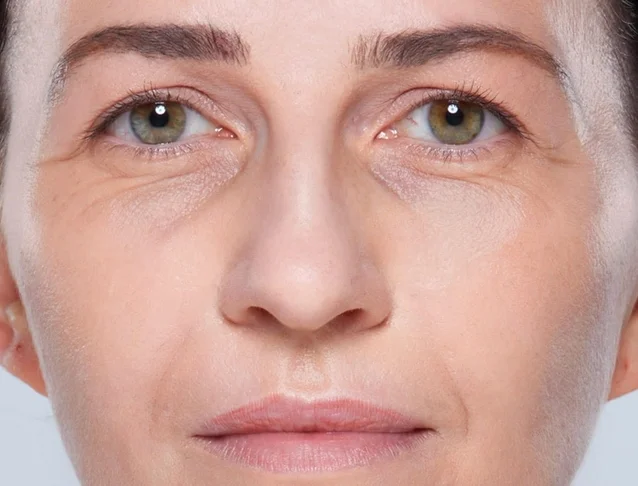 After
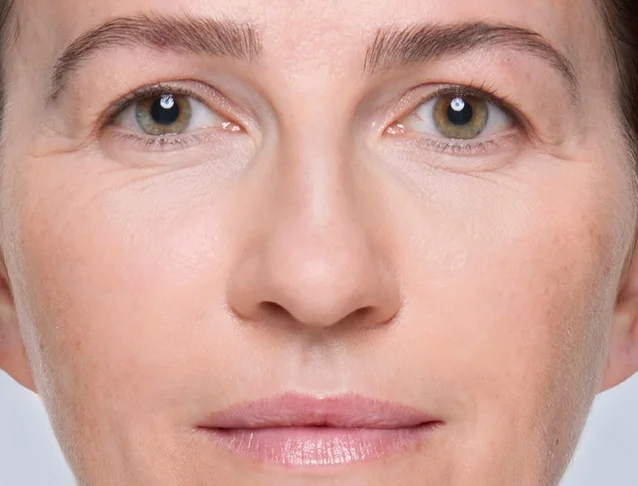
KARIS Treated with: Restylane® EYELIGHT™, 0,25ml /each side
- Before
 After

MARIA Treated with: Restylane® EYELIGHT™, 0,3ml /left side, 0,2ml /right side
- Before
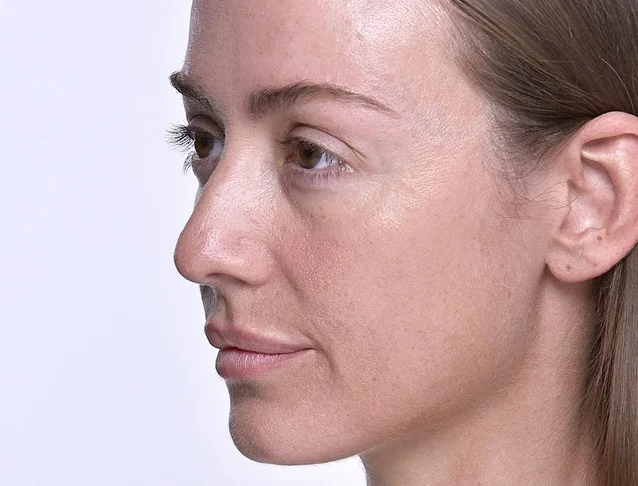 After
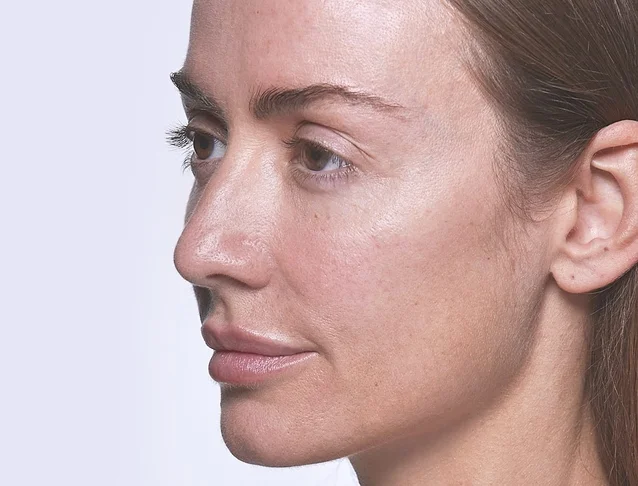
KERRI Treated with: Restylane® EYELIGHT™, 0,5ml /each side
What causes under-eye hollows and tear troughs?
Under-eye hollowing develops from a combination of factors, most of them structural:1,4
- Loss of facial volume with age: fat pads in the mid-face descend and diminish, deepening the groove between the eye and cheek.1,8,9
- Genetics and anatomy: some people naturally have a more pronounced tear trough, even when young.1,2
- Thin under-eye skin: the skin here is among the thinnest on the body, so underlying shadows and vessels show through more easily.10
- Collagen decline: as collagen and elasticity reduce over time, the area looks more sunken and hollow.1
- Medication-driven weight loss: 13% experience skin changes to the undereye area23
Because the concern is largely about lost volume, restoring that volume with a filler addresses the hollow at its source.3,4 You can read more about the underlying cause on our loss of volume page.
Types of under eye fillers
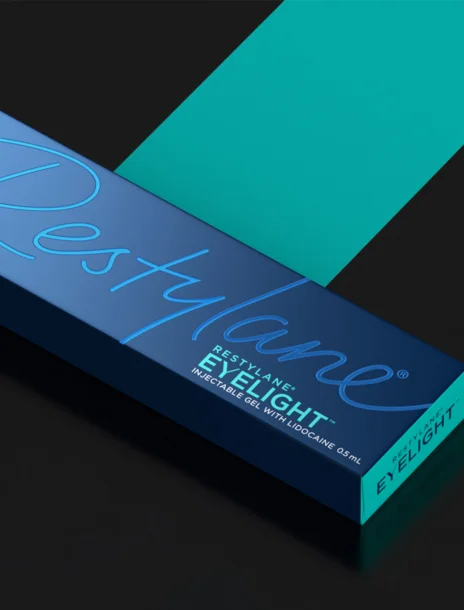
Restylane® EYELIGHT™
FOR A RESTED, REFRESHED LOOK
Are you tired of looking tired? Brighten up your look with Restylane® EYELIGHT™, an under-eye filler that treats volume loss and reduces hollows in the under-eye area.3,4 Restylane® EYELIGHT™ provides natural-looking results3* with a filler gel well-suited for the delicate tear trough.3,4,8
Restylane® EYELIGHT™ is ideal for the tear trough as it has less water uptake compared to many other fillers, reducing the risk of swelling.9,10,11
would recommend Restylane® EYELIGHT™ to a friend3*
said Restylane® EYELIGHT™ improved their under-eye hollows3*†
Restylane®
FOR SUPPORTING THE UNDER-EYE AREA
Feel like yourself again with a trusted filler. Restylane® is the first approved non-animal hyaluronic acid dermal filler in the EU, backed by more than 30 years of real-world experience.**12,13,14 The filler gel has a composition that is very close to the natural hyaluronic acid that you have in your skin.15,16
Restylane® is a versatile dermal filler that supports you where you need it.12,13,16
would repeat their treatment17
reported aesthetic improvements18
Under-eye filler vs. skinboosters: which do I need?
They solve different problems. An under-eye filler like Restylane® EYELIGHT™ restores volume to lift a hollow tear trough and reduce shadowing.3,4 Restylane® Skinboosters™ improve skin quality (i.e., hydration, smoothness, and radiance) but don't volumise a hollow.22 If your main concern is a shadowed hollow, a filler is usually the answer; if it's dull, crepey skin texture, Skinboosters may suit better, and some people benefit from both. A practitioner can advise. Learn more about Restylane® Skinboosters™.3,4,22

Find a clinic
Talk to a licensed healthcare practitioner about aesthetic
treatments for under eye hollows.

Your body will gradually break down the under-eye filler, exactly how fast differs from person to person. Restylane® EYELIGHT™ is a durable filler that lasts up to 18 months.3
Some people may experience mild discomfort, but the treatment only takes a few minutes. Most Restylane® fillers contain a local anesthetic, lidocaine, for a more comfortable treatment experience.8,12 You and your healthcare practitioner may also decide whether to use additional pain relief.
Filler restores volume to lift a hollow tear trough,3,4 skinboosters improve skin hydration and quality but don't volumise a hollow.22 Some people benefit from both — a practitioner can advise.
Side effects are normally mild and usually disappear within a week.8,12 Remember to discuss all potential side effects with your healthcare practitioner before the treatment. The tear trough is a delicate area and it’s important to consult a qualified healthcare practitioner for this treatment.
After treatment, you will receive specific instructions from your healthcare practitioner. Generally, the treatment requires no downtime, so you can go back to your daily activities right after.
A general advice is to keep the area clean, free of makeup and avoid touching or massaging the treated area. After your treatment, avoid exposing the treated area to heat (sunbathing, saunas, steam baths, etc) until any signs of local inflammation have disappeared. Make sure to follow the instructions that you receive.

* At 18 months after optimal treatment. Patients received an optional retreatment after 12 months.3
** Restylane® injectable gel was first approved for marketing and sale in September 1996 in the EU.8,10
† Patients at least improved according to subject GAIS.3
1. Somji M.J. Aesthet Nurs. 2022:11(9):396–402. 2. Galderma. Data on file. MA-46075. Restylane Eyelight European Market Survey 2020. 3. Galderma. Data on file. MA-57627. 43USTT1904
Medical Deck. 4. Nikolis A et al. J Drugs Dermatol. 2022;21(4):387–92. 5. Galderma DOF. MA-56724 X-strain and G' including Shaype. 6. Nikolis A, et al. J Drugs Dermatol. 2024;23(4):255–
61. 7. Öhrlund Å, et al. J Drugs Dermatol. 2024;23(1):1332–6. 8. Restylane® EYELIGHT™ IFU (EU). 9. Öhrlund A. Water uptake of hyaluronic acid fillers. Poster IMCAS 2022. 10. de la Guardia
C et al. Facial Plast Surg 2022;38:116–23. 11. Kablik J, et al. Dermatol Surg. 2009;35:302–12. 12. Restylane® IFU (EU). 13. Lundgren B et al. J Drugs Dermatol. 2018;17:982–6. 14. Galderma.
Data on file. MA-39680. Global 55 million Restylane treatments, update 2022. 15. Seo K. Volumizing Fillers. In: Facial Volumization with Fillers. Springer, Singapore. 2021;29–83.
16. Edsman K et al. Dermatol Surg. 2012;38:1170–9. 17. Huang SH et al. J Drugs Dermatol. 2020;19:836–42. 18. Weiss R et al. Dermatol Surg. 2010;36:750–9.
Always consult a healthcare professional for individualized treatment recommendations and to discuss important safety information and risks associated with the use of the products.